

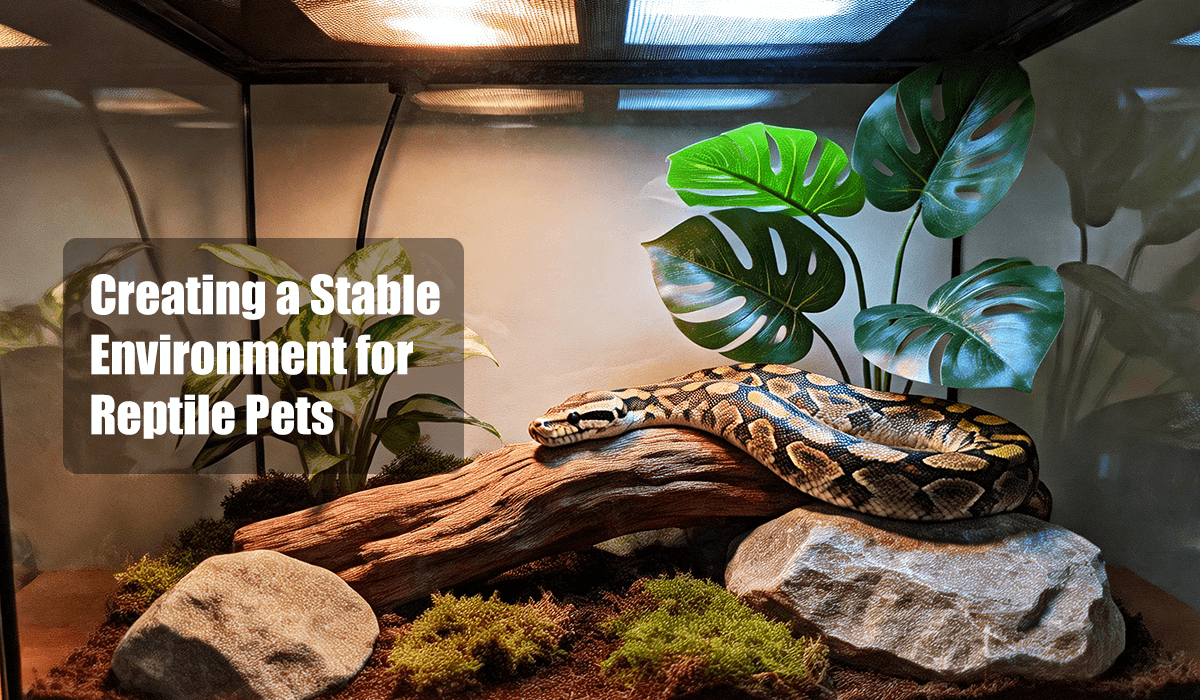
Reptiles have become increasingly popular as household pets, from bearded dragons and geckos to snakes and turtles. Unlike mammals, reptiles rely heavily on their environment to regulate body functions. Temperature and humidity are not simply comfort factors—they are essential to a reptile’s health, behavior, and long-term survival.
Understanding how to manage these environmental conditions is a fundamental part of responsible reptile care.
Why Temperature and Humidity Matter for Reptiles
Reptiles are ectothermic animals, meaning they depend on external heat sources to regulate their body temperature. Inadequate or unstable environmental conditions can lead to stress, digestive issues, shedding problems, and weakened immune systems.
Humidity levels are equally critical. Too little humidity may cause dehydration or incomplete shedding, while excessive moisture can promote mold growth and respiratory issues. Each species has specific environmental requirements that must be maintained consistently.
Different Reptiles, Different Environmental Needs
Not all reptiles require the same conditions. For example:
Bearded dragons prefer a dry environment with strong temperature gradients.
Crested geckos thrive in moderate temperatures with higher humidity levels.
Ball pythons require stable warmth and carefully controlled humidity to shed properly.
Because of these differences, a “one-size-fits-all” approach to enclosure setup often leads to long-term problems. Continuous awareness of enclosure conditions is far more effective than occasional manual checks.
The Importance of Consistent Monitoring
Environmental conditions inside a terrarium can fluctuate more than many owners expect. Heat lamps, room temperature changes, ventilation, and even daily misting can cause sudden shifts in temperature and humidity.
Spot-checking conditions once a day may miss critical changes. Consistent monitoring provides a clearer picture of how the enclosure environment behaves over time and helps identify patterns that could affect the animal’s health.
Using Bluetooth Hygrometers in Reptile Enclosures
Bluetooth temperature and humidity monitors offer a practical solution for reptile keepers who want accurate, ongoing environmental awareness without constantly opening the enclosure.

When placed inside the habitat, these devices can:
Track real-time temperature and humidity levels
Record historical data for trend analysis
Allow remote viewing through a mobile app
Reduce unnecessary disturbance to the animal
By reviewing data trends, keepers can adjust heating, ventilation, or misting routines more precisely and maintain conditions closer to the species’ natural habitat.
Reducing Stress Through Environmental Stability
Reptiles are highly sensitive to environmental stress. Frequent handling or enclosure disruption to check conditions can increase anxiety and alter natural behavior. Remote monitoring helps minimize interference while still ensuring that environmental requirements are met.
Stable conditions support:
Healthy digestion
Proper shedding cycles
Natural activity patterns
Long-term wellbeing
Conclusion
Successful reptile care goes beyond enclosure aesthetics. Temperature and humidity form the foundation of a reptile’s living environment, directly influencing health and behavior. Understanding these factors—and monitoring them consistently—allows keepers to create habitats that closely reflect natural conditions.
Bluetooth-enabled temperature and humidity monitoring tools serve as effective aids in this process, helping reptile owners maintain stable environments while reducing guesswork and unnecessary stress.
Share:
Christmas: A Cultural and Historical Overview
Beginner’s Guide to Backyard Vegetable Gardening