

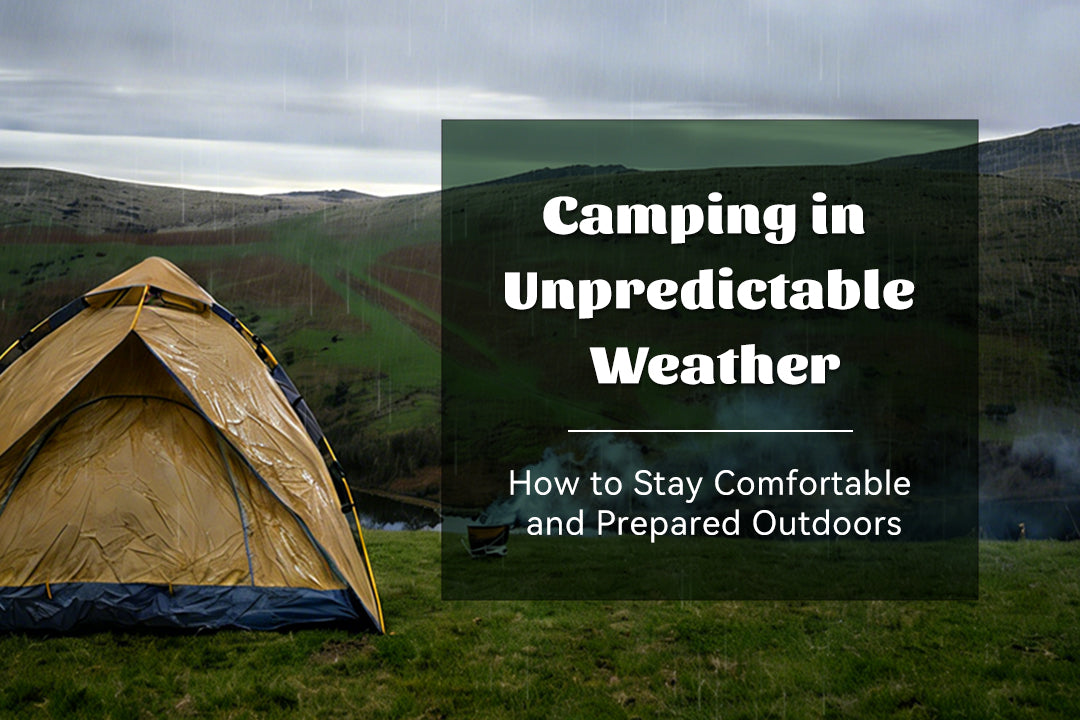
Spring is one of the best seasons for outdoor adventures across the United States. Forests grow lush, temperatures stay mild, and many national parks reopen their trails and campgrounds.
However, spring is also one of the most unpredictable seasons for campers. Temperature swings, shifting humidity, sudden rain, and gusty winds can quickly transform a camping trip. Understanding these environmental factors and preparing accordingly can make outdoor adventures far more comfortable and safe.
Spring Weather in the U.S. Can Change Quickly
Unlike the stable conditions typical of summer, spring weather tends to shift rapidly. A sunny afternoon can turn into a chilly evening—or a sudden downpour—within hours.
Many outdoor experts recommend closely monitoring weather forecasts before heading out. Checking conditions for your specific destination, especially elevation and terrain, can help you avoid unexpected surprises. The National Weather Service offers detailed regional forecasts and safety information. You can check current conditions here:
👉 Check the latest weather forecast
Weather variability is especially noticeable in outdoor settings like mountains, forests, and lakeside campsites. Even a change in elevation of a few hundred feet can significantly affect temperature and wind conditions.
For campers, this means preparation matters just as much as the destination.
Why Weather Awareness Matters When Camping
Camping places you directly in natural environments where conditions can change quickly. Unlike urban settings, campsites offer limited shelter from weather shifts.
Several environmental factors commonly affect camping comfort:
-
Temperature drops at night
Spring evenings can become surprisingly cold even after warm days. Packing layered clothing helps campers adjust to changing temperatures throughout the day.
(Read more about staying warm) -
High humidity and condensation
Moisture often builds up inside tents overnight, especially near lakes, forests, or after rainfall. -
Rain and muddy ground
Spring snowmelt and rainfall frequently create muddy conditions that can affect campsite stability and comfort.
(More spring camping tips)
Being aware of these factors allows campers to adapt their gear and setup before problems arise.
Common Challenges Campers Face Outdoors
Even experienced campers encounter environmental challenges during trips. Many of these issues are directly tied to weather changes.
Large Day-to-Night Temperature Differences
Spring often brings warm daytime temperatures followed by much cooler nights. A sleeping system designed for colder conditions can significantly improve nighttime comfort.
Moisture Inside the Tent
Condensation inside tents is common in humid environments or during cold nights. Proper ventilation and thoughtful campsite selection can help reduce moisture buildup.
Limited Access to Electricity
Modern camping often involves devices like phones, GPS units, cameras, and portable lighting. On multi-day trips, keeping these devices powered becomes an important consideration.
Understanding these common challenges helps campers plan more efficient and comfortable outdoor setups.
A Simple Setup for a More Comfortable Campsite
Small equipment upgrades can significantly improve the camping experience, especially when dealing with unpredictable weather.
Monitoring Temperature and Humidity
A compact thermometer or hygrometer helps campers track environmental changes around their campsite. Monitoring temperature drops or rising humidity levels inside a tent can help you decide when to increase ventilation, add insulation, or adjust sleeping gear.
(View an example)

Reliable Portable Power
Portable power stations are becoming increasingly common in modern camping setups. They provide electricity for essential gear such as:
-
Campsite lighting
-
Phones or GPS devices
-
Cameras and drones
-
Small fans or heating pads
Reliable power sources can improve safety and convenience during longer outdoor trips. Some camping guides also recommend portable power systems to keep electronics charged during extended off-grid adventures.
(Explore portable power options)
When combined with environmental monitoring tools, these devices help create a more controlled and comfortable campsite.
(More spring camping tips)
Tips for Camping in Unpredictable Weather
Preparing for variable weather doesn’t require complex gear. A few practical strategies can greatly improve camping comfort.
-
Choose the right campsite location
Avoid low-lying areas where water can collect after rain. Slightly elevated ground helps keep tents dry. -
Dress in layers
Layered clothing allows you to easily adapt to temperature changes throughout the day. -
Keep your tent ventilated
Opening vents or slightly unzipping rain flies can reduce condensation. -
Bring reliable lighting
Lanterns or headlamps help maintain visibility and safety after sunset. -
Plan energy usage
Managing device power ensures important equipment remains operational for the entire trip.
These small adjustments can greatly improve comfort and safety in changing outdoor conditions.
Enjoy the Outdoors While Staying Prepared
Camping offers a unique opportunity to disconnect from daily routines and reconnect with nature. While spring weather can be unpredictable, thoughtful preparation allows outdoor enthusiasts to enjoy their trips without unnecessary discomfort.
By understanding environmental changes, monitoring campsite conditions, and bringing essential gear, campers can stay comfortable in a wide range of outdoor settings.
With the right preparation, even unpredictable weather can become part of the adventure—rather than an obstacle.
Share:
From Winter to Spring: How to Care for Plants During the Seasonal Transition
Spring Garden Preparation Guide: How to Get Your Garden Ready for the Growing Season