

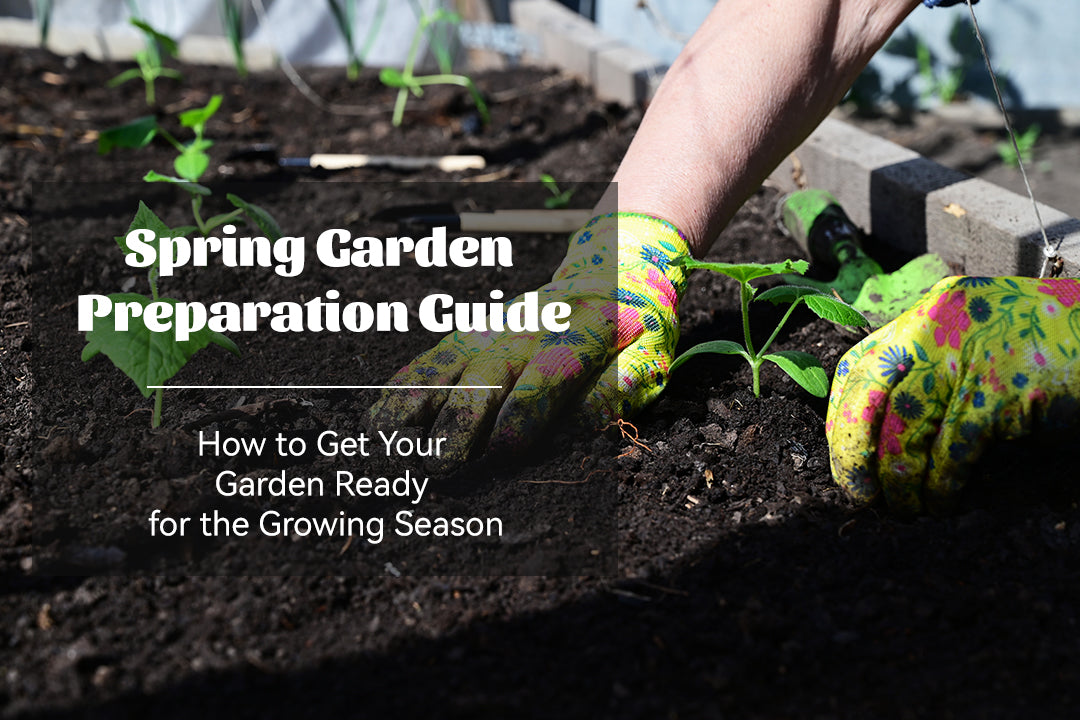
Spring is one of the most exciting seasons for gardeners. As temperatures rise and daylight hours lengthen, plants begin waking from winter dormancy. Preparing your garden early in the season helps create a healthy environment for plants to grow, bloom, and produce throughout the year.
Whether you're an experienced gardener or just starting your first backyard garden, a few simple preparation steps can make a big difference. In this guide, we’ll walk through the essential tasks to help your garden thrive this spring.
1. Clean Up Your Garden After Winter
Winter often leaves gardens covered with debris, fallen branches, and leftover plant material. Before planting anything new, the first step is to clean up the space.
(Read more early spring gardening tips)
Start by removing dead leaves, broken branches, and weeds that accumulated during the colder months. Clearing this debris improves airflow around plants and reduces the risk of pests and diseases.
Early spring is also the perfect time to remove weeds before they spread. Young weeds are easier to pull, and removing them early prevents competition for nutrients and sunlight. According to gardening experts, tackling weeds early helps keep gardens healthier throughout the season.
2. Check and Improve Your Garden Soil
Healthy soil is the foundation of every successful garden. Before planting, it's important to assess your soil's condition and make improvements if needed.
Loosen the Soil
Over the winter, soil can become compacted due to snow, rain, and freezing temperatures. Loosening the soil allows oxygen, water, and nutrients to reach plant roots more easily.
(Learn more about starting your garden strong)
However, avoid digging when the soil is still too wet. Working wet soil can cause it to harden and form clumps that make planting difficult. A simple test: squeeze a handful of soil—if it crumbles easily, it’s ready to work.
Add Compost or Organic Matter
Adding compost is one of the best ways to enrich your garden soil. Organic matter improves soil structure, increases nutrient availability, and supports beneficial microbes that help plants grow.
Many gardeners add a layer of compost each spring to restore nutrients lost during the previous growing season.
Test Your Soil
Testing your soil can reveal important information such as nutrient levels and pH balance. If you're unsure about your soil quality, you can learn more about soil health and testing methods through resources like the USDA.
(Tips for healthy soil)
3. Plan Your Spring Planting
Spring is the perfect time to plan what you want to grow. Thoughtful planning ensures plants have enough space, sunlight, and nutrients.
Choose Plants Suitable for Spring
Many cool-season plants thrive in early spring, including:
-
Lettuce
-
Spinach
-
Peas
-
Radishes
-
Carrots
These crops tolerate cooler temperatures and can often be planted before the last frost in many regions.
Consider Plant Spacing and Layout
When planning your garden layout, make sure each plant has enough space to grow. Overcrowding can lead to poor airflow, increased disease risk, and reduced harvests.
Think about sunlight as well. Most vegetables and flowering plants require at least six hours of sunlight per day.
Choose Plants for Your Climate Zone
Climate plays an important role in plant success. Many gardeners in the United States use planting guides based on the USDA plant hardiness zones, which help determine which plants grow best in specific regions.

4. Check Your Gardening Tools and Equipment
Before the planting season begins, it's helpful to inspect and prepare your gardening tools.
Clean and Sharpen Tools
Tools such as pruning shears, trowels, and shovels should be cleaned and sharpened before use. Clean tools help prevent plant diseases from spreading between plants.
Inspect Your Watering System
Check garden hoses, watering cans, and irrigation systems to make sure everything is functioning properly. Efficient watering systems help plants grow while reducing water waste.
Prepare Containers and Planters
If you plan to grow plants in pots or raised beds, make sure containers are clean and have proper drainage holes. Container gardening is a great option for small yards, patios, or balconies.
5. Create a Spring Garden Care Plan
Once your garden is prepared, developing a simple care routine will help plants stay healthy throughout the season.
Water Consistently
Spring weather can be unpredictable, so adjust your watering schedule based on rainfall and temperature. Using drip irrigation or soaker hoses can reduce water loss and keep plant leaves dry, which helps prevent diseases.
Monitor Plant Growth
Regularly check your plants for new growth, leaf color, and signs of stress. Early detection of problems such as pests or diseases makes them easier to control.
Prevent Pests Naturally
Integrated pest management strategies—such as encouraging beneficial insects and removing infected plant material—can help keep pest populations under control while protecting the environment.
(Tips for starting an organic garden)
Conclusion
Preparing your garden in early spring sets the stage for a productive and beautiful growing season. By cleaning up winter debris, improving soil health, planning your plant layout, and organizing your tools, you create the ideal environment for plants to thrive.
Gardening is a process that evolves throughout the season, but starting with a well-prepared garden makes everything easier. With a little preparation and consistent care, your spring garden can quickly transform into a vibrant and flourishing outdoor space.
Share:
Camping in Unpredictable Weather: How to Stay Comfortable and Prepared Outdoors